

Dear readers of my latest news,
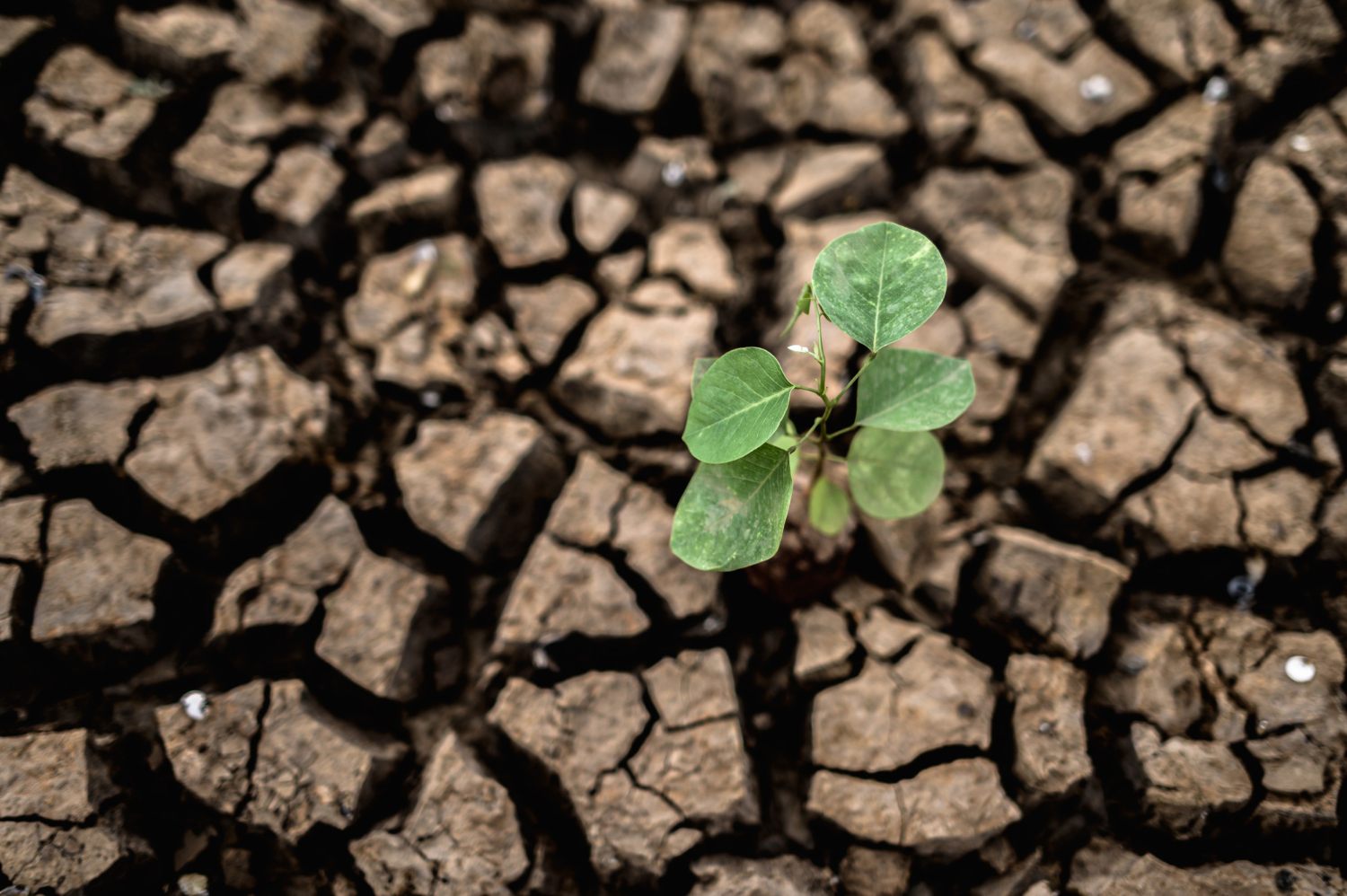
Just this week, leading scientists called on the EU to develop concrete plans for a 4°C warmer Europe – warming that would drastically affect people, livelihoods, and ecosystems. Despite this risk, the EU is not yet part of the new global coalition for the final phase-out of fossil fuels. Climate change is a reality and is being exacerbated by our continued use of fossil fuels. The EU must recognize this threat and act decisively, and commit more strongly to the expansion of renewable fuels. Key developments shaping EU biofuel markets – from the harmonization of the HVO balance, higher bioethanol blends, and increasing SAF commitments to evolving competition for raw materials and price movements at the start of the year.
Demand for biofuels in the EU is expected to increase by 11% year-on-year to 34.2 billion liters. The main driver is a 2.5 billion liter increase in European HVO demand, led by Germany. SAF demand is also expected to rise by 19%, primarily due to the UK’s increase in its quota from 2% to 3.6%.
The decarbonization of diesel fuel continues to dominate: 78% of European biofuels for road transport now flow into the diesel pool, while the gasoline pool remains characterized by a limited blending rate.
On the Biotech Energy website: … you can find information about a technology that enables more effective use of agricultural raw materials to reduce dependence on fossil fuels without relying on expensive alternatives for road transport. European HVO and SAF capacities are expected to meet demand in 2026 and 2027, but a deficit is projected from 2028 onwards. The implementation of the RED III Directive and increasing SAF commitments will drive this deficit to over 12 million tons by 2030.
Below is a brief market overview prepared by Argus Media. These are some of the insights to help you anticipate market developments, minimize risks, and optimize procurement. https://www.argusmedia.com/en
In December, the US exported 220.3 million gallons – the second-highest monthly volume since records began. Approximately half of the shipments went to Canada and the European Union. Exports to the European Union totaled 162 million liters, almost all of which were routed through the Netherlands. More information at: https://ethanolrfa.org/media-and-news/category/trade-monitor/article/2026/02/december-u-s-ethanol-exports-surge-near-record-as-ddgs-demand-softens
U.S. exports of dried stillage grains (DDGS)—the protein-rich byproduct of ethanol production—fell to 894,665 tons. Mexico, the largest consumer, reduced its imports by 13% to 164,406 tons. Indonesia, on the other hand, increased its purchases to 112,706 tons. South Korea saw a decline to 110,538 tons, while Vietnam imported only 80,920 tons. Other major markets included Canada, New Zealand, the United Kingdom, and Turkey (38,220 tons). Thanks to strong momentum in the second half of the year, total U.S. DDGS exports are projected to reach 11.60 million tons in 2025—the fourth-highest annual volume ever recorded. https://grains.org/buying-selling/ddgs/
A joint statement from the Renewable Fuels Association, Growth Energy, and the National Corn Growers Association highlights the lack of progress in finding a permanent legislative solution that would provide consumers with year-round access to E15. House parliamentary leaders agreed to establish a Rural Energy E15 Council to reach a consensus bill by February 15, 2026. “The year-round, nationwide availability of E15 is a top priority for rural America and can no longer be postponed. Members of the House of Representatives have already introduced a bipartisan bill that enjoys broad support from the vast majority of stakeholders in the biofuel, agriculture, fuel trade, and oil refining sectors. The solution is on the table, and we urge council members to refocus on the proposals that already have widespread support. Year-round E15 availability will provide real savings for hardworking families and create a reliable market for struggling U.S. farmers. We cannot allow a handful of mid-sized refineries to hold year-round E15 availability hostage, demanding absurd subsidies just to enrich themselves at everyone else’s expense,” said Geoff Cooper, President and CEO of the RFA; Emily Skor, CEO of Growth Energy; and Jed Bower, Ohio farmer and President of the National Corn Growers Association. https://ethanolrfa.org/media-and-news/category/news-releases/article/2026/02/farm-and-biofuel-leaders-call-on-congress-to-accelerate-action-on-e15
Bioethanol plays a vital role in Brazil’s energy mix and is considered an ally in the fight against climate change. However, its production is not without environmental impacts. The combustion of biomass in the plants and other process steps release carbon dioxide. To address this challenge, Brazilian researchers are developing technologies that not only reduce these emissions but also explore new ways to reuse the released carbon, thus strengthening ethanol’s role in a low-carbon economy. Two recent studies involving the University of São Paulo (USP) illustrate this development. One study focuses on the direct capture of CO₂ from power plants using an innovative system that retains most of the gas before it enters the atmosphere. The other study proposes converting this CO₂ into a raw material for the construction industry, specifically for the production of a new, plant-fiber-reinforced cement that is more durable and environmentally friendly. https://agro.estadao.com.br/sustentabilidade/etanol-sustentavel-carbono-cimento-ecologico-usp
The Clean Fuels Alliance America welcomes the New Mexico Department of Environmental Protection’s approval of the rules for the Clean Transportation Fuels Program in New Mexico. This move represents a significant expansion of low-carbon fuel policy beyond the West Coast and demonstrates that a state that is a leader in energy production can also be a pioneer in decarbonization. The legislation, which went into effect in March 2024, made New Mexico the fourth U.S. state to adopt a low-carbon fuel standard. The policy requires transportation fuel providers to reduce the average carbon intensity of fuels sold in the state by 20% by 2030 and by 30% by 2040, compared to the baseline year of 2018. https://www.wastedive.com/news/new-mexico-final-clean-transportation-fuel-program-biogas-rules/810479/
In Switzerland, global production of sustainable aviation fuels must increase more than 150-fold by 2050 to meet the projected demand of the aviation industry – a scale that bio-based fuels alone cannot achieve. Metafuels, a Swiss aviation technology company, is addressing this challenge with a synthetic process for producing jet fuel from methanol. This process aims to meet the long-term production volumes required, as well as ensure economic viability and a favorable CO₂ balance for the aviation sector. On Thursday, the company announced the closing of a $24 million funding round to bring its Aerobrew product to market. https://decarbonisationtechnology.com/news/2654/metafuels-brings-synthetic-aviation-fuel-to-market-at-commercial-scale
Topsoe has been selected as the technology provider by Tangshan Jinlihai Biotechnology Co., Ltd. (Tangshan Jinlihai), a developer and supplier of renewable fuels. Topsoe will provide its Hydroflex® technology and related services for the Tangshan Jinlihai industrial site, which has a capacity of 300,000 tons of raw material per year. Once the project is fully operational, Topsoe’s technology is expected to enable annual emission reductions of approximately 700,000 tons of CO₂ equivalent – equivalent to the emissions avoided by about two million passengers on a flight from Beijing to Copenhagen. https://biofuels-news.com/news/topsoe-fuels-chinas-push-for-sustainable-aviation-fuel/
The integrated biomass-ethanol-SAF process developed by Atlantic Biomass, which was the original focus of the work, can simultaneously be used to produce high-purity SAF synthesis gas. This creates a dual-pathway system that can nearly double the SAF yield from biomass from approximately 42 to 79 percent without incurring additional costs for biomass purification, synthesis gas scrubbing, or other processing. Mobile versions of the dual-pathway system can be deployed in key regions with native grass cultivation worldwide to produce ethanol and synthesis gas for European or Asian SAF production facilities. https://advancedbiofuelsusa.info/uploads/Building%20a%20Future%20with%20Affordable%20Renewable%20Aviation%20Fuel%20rev%204%20New.pdf
EcoCeres Inc. has officially commissioned its state-of-the-art renewable fuel production facility in Malaysia, marking a historic milestone as the country’s first sustainable aviation fuel (SAF) production plant. The facility was successfully commissioned in October 2025. It also produces hydrogenated vegetable oil (HVO) and renewable naphtha, with a maximum total production capacity of 420,000 tons per year. This strengthens the company’s position in the global renewable fuels market and underscores Hong Kong’s importance as a platform for green innovation and investment. https://biofuels-news.com/news/ecoceres-inaugurates-first-saf-plant-in-malaysia/
Fortum has produced hydrogen for the first time at its Kalla test center in Loviisa, Finland, as part of the initial commissioning phase of the electrolysis plant. The test center is scheduled to be fully operational in spring 2026. Fortum is committed to accelerating electrification in the Nordic countries, and the Kalla test center will contribute to this effort. The hydrogen in Kalla is produced through electrolysis – the splitting of water into hydrogen and oxygen using electricity from fossil-free sources. Hydrogen serves as an energy carrier that can store and transport energy without producing CO₂. This makes it particularly valuable in areas where direct electrification is not feasible. Two electrolysis technologies integrated into one plant will be commissioned in stages. https://stargatehydrogen.com/fortum-case-study/
Sonatrach Raffineria Italiana has reached a significant milestone with the launch of production of gasoline blended with 5% ethanol, the first tanker of which was shipped on January 14th from its Augusta terminal. The introduction of ethanol blending, produced at the IMA plant in the Trapani area, is part of the strategy to increase the content of renewable components in automotive fuels produced by the Augusta Refinery and contributes to the company’s energy transition. https://www.linkedin.com/posts/sonatrach-raffineria-italiana-srl_morethanjustacompany-sostenibilitaeq-transizioneenergetica-activity-7418030047720284161-nfZ6/?utm_source=share&utm_medium=member_desktop&rcm=ACoAAABwhZkB_ZyaRkol_82cw3kZOwwhE9EAc_k
Essential Energy has signed an agreement with Embraer to evaluate aspects of biofuel production and distribution for Argentine farmers. It is anticipated that bioethanol-powered aircraft will be used for field irrigation in the region and across the country in the coming months. Although Argentina has production capacity, it currently lacks a large-scale distribution network that would allow for the supply of ethanol to agriculture via air. The aim of the agreement is therefore to evaluate the technical specifications, quality, production, and distribution of biofuels in Argentina. https://advancedbiofuelsusa.info/essential-energy-and-embraer-seal-agreement-to-convert-agricultural-aircraft-to-bioethanol-and-target-mercosur-eu-opportunities
The expanded second version of the Renewable Carbon Initiative (RCI) report summarizes and presents eleven peer-reviewed life cycle assessment (LCA) case studies. These studies, which adhere to the highest scientific standards, examine the carbon footprint of renewable carbon-based materials and products compared to fossil-based products. The eleven products and their corresponding LCAs come from RCI members such as Avantium (NL), BASF (DE), Braskem (US), Econic (GB), Fibenol (EE), IFF (US), LanzaTech (US), Lenzing (AT), Neste (FI), Peter Greven (DE), and Primient Covation (US), and were reviewed by external, independent experts. The report clearly demonstrates that renewable carbon-based products already on the market can exhibit a significantly reduced carbon footprint. Greenhouse gas savings range from 30% to 90% compared to their fossil-based counterparts. This is illustrated in the figure, which shows the comparison for one of the eleven case studies. These expert-reviewed life cycle assessments provide the necessary solid evidence for policy decisions and investments, and refute doubts that the climate benefits of renewable carbon are merely theoretical. At the same time, these materials and products still hold considerable potential for further emissions reductions in the future. https://renewable-carbon.eu/news/renewable-carbon-based-materials-show-significant-lower-co2-footprint-than-fossil-counterparts-2/